Overview
In a wearable market increasingly divided between battery-draining full smartwatches and basic fitness bands, the Amazfit Balance carves out a compelling middle ground. Positioned as a direct lifestyle successor to the GTR series, this watch emphasizes holistic wellness, sleek hardware aesthetics, and versatile cross-platform software. Built around a crisp 1.5-inch AMOLED display and powered by Zepp OS, the device aims to deliver deep health monitoring, built-in GPS tracking, and convenient smart notifications without requiring nightly trips to the charger.
We analyzed technical specifications, long-term testing reports from leading tech publications, and aggregated verified customer feedback across major retail channels. Our evaluation focuses on key buying considerations: design comfort, sensor accuracy during workouts, battery longevity in real-world conditions, software usability, and total value against established competitors like Samsung and Garmin. The result is a clear picture of how the Amazfit Balance performs as an everyday wrist assistant and daily health monitor.
Design and Build
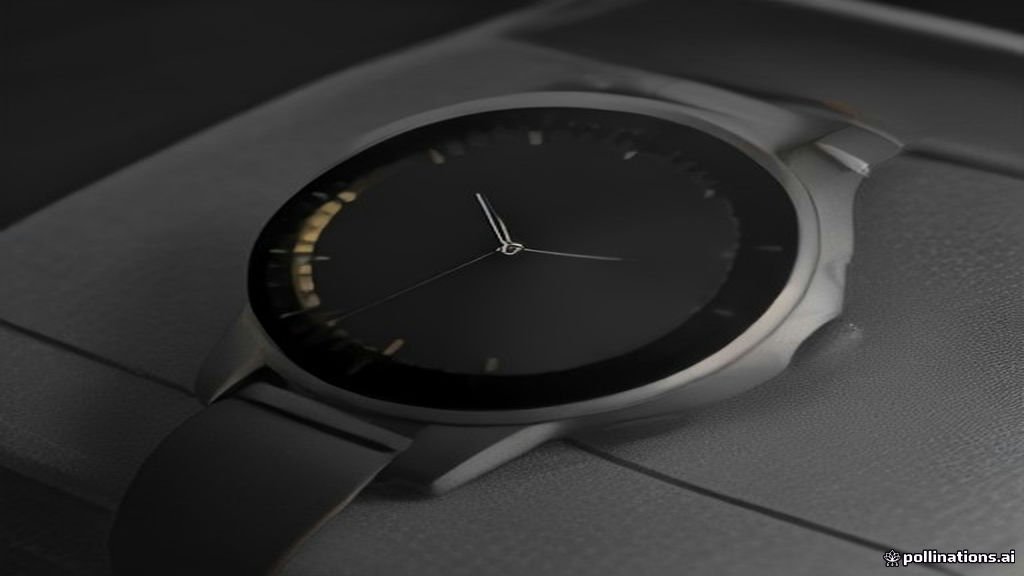
The visual impression of the Amazfit Balance is understated elegance. Featuring a circular metallic chassis made from a lightweight aluminum alloy frame paired with a reinforced polymer bottom casing, the watch achieves a refined profile on the wrist. Weighing approximately 35 grams without straps, it avoids the bulky feel typical of rugged outdoor sports watches, making it comfortable enough to wear to bed for continuous sleep monitoring.
Interaction with the watch takes place through a dual-control scheme: a responsive touchscreen panel and a classic tactile crown located at the two o'clock position, supplemented by a customizable quick-action button at four o'clock. The crown provides subtle haptic feedback when scrolling through long menus, which proves exceptionally useful when browsing workout options with sweaty hands. Surrounding the display is a anti-glare glass bezel, and the underside houses the multi-channel optical sensor array and bioelectrical impedance contact points.
The included 22mm interchangeable strap options cater to different preferences, with soft liquid silicone and breathable nylon loop bands available out of the box. With a standard 5 ATM water resistance rating, the watch handles swimming sessions, showers, and heavy rain without issue, though high-velocity water sports or deep diving fall outside its operational limits.
Key Features and Performance
At the center of the user experience is the striking 1.5-inch AMOLED display featuring a resolution of 480 by 480 pixels. Boasting a peak brightness of up to 1,500 nits, text, charts, and outdoor workout metrics remain effortlessly legible even under direct midday sun. Color reproduction is vivid, auto-brightness adjustment responds rapidly to ambient light shifts, and the optional always-on display mode provides at-a-glance time checks with minimal battery drag.
Health tracking centers around the BioTracker 5.0 PPG optical sensor alongside a specialized Bioelectrical Impedance Analysis (BIA) sensor. The headline addition is the Readiness Score, which calculates daily physical and mental recovery based on heart rate variability (HRV), resting heart rate, body temperature shifts, and breathing quality during sleep. Expert testing indicates that the Readiness metric offers helpful relative trends for balancing recovery and workout intensity, though like most wrist-based algorithms, it should be viewed as a guiding signal rather than a medical diagnostic.
For fitness enthusiasts, the integrated dual-band circular-polarized GPS antenna delivers fast satellite lock times and strong signal retention around urban tall buildings or tree cover. Distance calculations for running, cycling, and walking align closely with dedicated endurance watches. The watch supports over 150 workout modes, complete with auto-detection for popular movements such as outdoor running, treadmill training, and elliptical sessions. Furthermore, the BIA sensor allows users to measure body composition metrics including body fat percentage, muscle mass, skeletal muscle, and water weight directly from the wrist in around ten seconds.
Battery life remains one of the device's strongest selling points. In typical usage scenarios with continuous heart rate monitoring, sleep tracking, and regular smart notifications enabled, the watch comfortably lasts between 10 to 14 days on a single charge. Opting for the always-on display reduces endurance to around 4 to 5 days, which still easily outperforms mainstream Wear OS and watchOS alternatives. Continuous GPS tracking drains the battery at a rate that allows up to 25 hours of active outdoor navigation.
Who It Is For (and Who Should Skip It)
Who Should Buy It:
- Android and iPhone users seeking battery stamina: If you want a full-featured watch display with multi-day battery life, the Balance eliminates the annoyance of daily charging.
- Fitness-focused daily wearers: Those who prioritize sleep tracking, recovery guidance, HRV insights, and accurate workout route mapping without paying a heavy premium for high-end sports watches.
- Style-conscious buyers: Anyone looking for a clean, traditional circular watch aesthetic that transition seamlessly from gym attire to office wear.
Who Should Skip It:
- App power users: If your workflow relies heavily on robust third-party smartwatch apps like Google Maps, WhatsApp native client, or specialized productivity tools, a Wear OS or Apple Watch option will serve you better.
- Contactless payment reliance: While Zepp Pay is built into the device, bank support remains limited depending on your geographic region and financial institution.
- Serious athletes needing deep mapping: Triathletes or trail runners needing full offline topographic maps and advanced navigation routing will prefer specialized instruments from Garmin or Coros.
Alternatives Worth Considering
When shopping in the mid-range smartwatch segment, several alternative models present direct competition depending on your functional priorities:
- Samsung Galaxy Watch 7: Offers a far richer app ecosystem via Google Wear OS, seamless phone integration for Samsung galaxy users, and expanded health tools like ECG. However, it requires charging every 24 to 40 hours.
- Garmin Vivoactive 5: Features Garmin's renowned sports analytics, Body Battery monitoring, and broad third-party fitness app syncing. It has a slightly smaller display but appeals to buyers heavily invested in the Garmin Connect software ecosystem.
- Fitbit Sense 2: Provides deep health and stress tracking backed by Fitbit's intuitive application interface, but lacks the display size, dual-band GPS performance, and premium metallic build of the Balance.
Final Verdict
The Amazfit Balance stands out as one of the most balanced offerings in the mid-tier wearable space. By combining a bright screen, robust metallic hardware, precise dual-band location tracking, and versatile wellness features into a package that lasts well over a week on a charge, Amazfit delivers fantastic core functionality. While its smart ecosystem lacks the deep third-party app support of native phone platform smartwatches, its price-to-performance ratio makes it an exceptionally compelling choice for health-conscious users looking for real utility without battery anxiety.