Overview
In the rapidly evolving landscape of portable storage, the Crucial x8 has established itself as a reliable workhorse. Whether you are a professional photographer managing raw files, a student juggling large academic projects, or a gamer looking to expand the limited internal storage of your console, the x8 serves as a versatile bridge between your devices. It is designed to offer a balanced proposition: high-speed performance that exceeds standard mechanical drives while maintaining a level of physical build quality that justifies its price. In today's digital climate, where cloud storage is often met with bandwidth limitations or subscription fatigue, having a physical, high-speed external drive is essential for maintaining a clean, fast workflow.
Crucial has positioned this drive to bridge the gap between entry-level budget drives and high-end, pro-grade production hardware. It provides the sustained transfer speeds necessary for high-bitrate video editing and large-scale game installations without demanding the premium price tag of specialized NVMe enclosures. By stripping away extraneous software bloat, the brand focuses on raw hardware performance, which is exactly what power users and content creators are looking for in 2026.
Design and Build
The first point of differentiation for the Crucial x8 is its physical construction. While many competitors opt for lightweight plastic to minimize costs, the x8 features an anodized aluminum core. This is not merely an aesthetic choice; the metal acts as a functional heat spreader. As portable SSDs move data at high speeds, they naturally generate heat, which can lead to thermal throttling—a process where the drive slows down to prevent damage. The aluminum housing effectively dissipates this heat, allowing for more consistent performance during sustained file transfers. The unibody construction provides a level of structural rigidity that gives you confidence when packing it into a backpack or a camera bag full of heavy equipment.
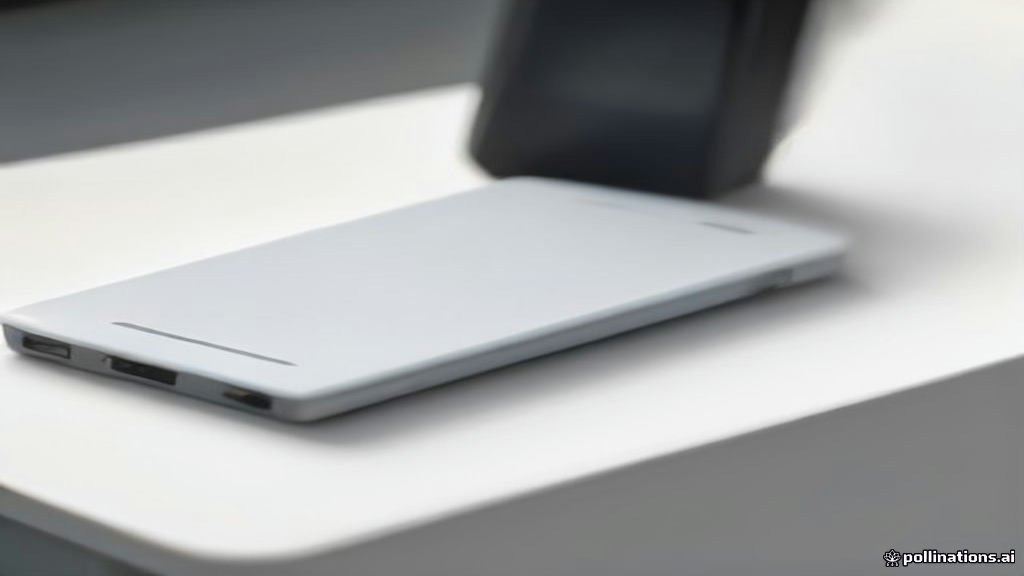
Physically, the drive is elongated, measuring roughly 110mm by 53mm. This shape is specifically designed to be slim enough to disappear into a jeans pocket or a laptop sleeve without creating a bulky protrusion. The USB-C port is thoughtfully recessed, minimizing the chance of cable stress or bending the port pins if the device is dropped while plugged in. The package typically includes a robust USB-C to USB-C cable and a USB-A adapter, ensuring backward compatibility with older hardware you might still use in legacy studio or office setups.
Key Features and Performance
At the heart of the Crucial x8 is the USB 3.2 Gen 2 interface, which enables read speeds of up to 1050MB/s. When you transition from a traditional hard disk drive (HDD) to this SSD, the speed difference is monumental. Tasks that used to take minutes—such as exporting a large video project or loading a heavy, open-world game—are reduced to mere seconds. Because the drive is based on flash storage with no moving parts, it is significantly more resilient to the physical vibrations and occasional accidental impacts that would typically cause a standard spinning hard drive to fail.
For content creators, the performance is particularly noticeable during the editing process. You can edit directly off the drive in applications like Adobe Premiere or DaVinci Resolve without the stuttering often associated with slower, mechanical external drives. For gamers, the drive acts as a massive expansion library. If you are playing on a console like the PlayStation 5, you can store your library of older titles directly on the x8, freeing up the internal, ultra-fast SSD for newer titles that strictly require the internal architecture. The plug-and-play nature is a massive benefit; it is pre-formatted, meaning you do not need to spend time navigating complex file system menus or installing proprietary firmware just to start using it.
Who It Is For (and Who Should Skip It)
The Crucial x8 is the ideal companion for the "on-the-go" professional. If your work requires moving large datasets between an office desktop and a home laptop, the efficiency of this drive is worth the investment. Students taking creative courses involving graphic design or video production will also find that the x8 provides the perfect middle ground for a student budget. It is effectively a digital safety net that keeps your work accessible without requiring a monthly recurring bill for cloud access.
However, the drive is not for everyone. If you are a high-end cinematographic professional working exclusively with uncompressed 8K RAW footage, the bottleneck of the USB 3.2 Gen 2 interface may become apparent over time. In these specific cases, a specialized NVMe drive utilizing USB4 or Thunderbolt 4 would be a better investment, despite the significantly higher cost. Additionally, if your work environment involves extreme outdoor conditions—such as rain, dust storms, or high humidity—you might want to consider models with a ruggedized rubberized exterior and an IP rating, as the Crucial x8 is not marketed as water or dust-proof.
Alternatives Worth Considering
When selecting a portable SSD, it is important to weigh the tradeoffs. The Samsung T7 is the primary rival, known for its software integration and security, such as password protection and hardware-based encryption. If you prioritize data security for sensitive business documents, the T7 might be a safer choice. The SanDisk Extreme range is another frequent competitor; their models are often marketed as "rugged" with shock-resistant coatings and higher IP ratings, which makes them a superior choice for outdoor field photographers. The WD My Passport SSD acts as the value proposition, often retailing for slightly less than the Crucial, though the build materials often feel less substantial, making it a better choice for someone who rarely takes their drive out of a static desk setup.
Final Verdict
After evaluating the performance, construction, and market position of the Crucial x8, it is clear that it remains a premier choice for 2026. It succeeds by avoiding the common pitfalls of overly complicated, overpriced drives. Instead, it provides a stable, high-speed, and physically durable hardware solution. While it lacks some of the bells and whistles—like dedicated encryption software or ruggedized rubber bumpers—the core experience is one of pure utility. For most users, the performance is more than enough to handle modern workflows, and the aluminum build ensures it lasts for years. When looking for a reliable, no-nonsense portable SSD that balances speed and cost effectively, the Crucial x8 continues to be a gold-standard benchmark in the industry.