Overview
The Jackery Explorer 1000 v2 is engineered specifically for outdoor enthusiasts, tailgaters, and homeowners who need a dependable, mid-capacity emergency power solution without the bulk or maintenance of a traditional gas-powered generator. Building directly upon the foundation of its immensely popular predecessor, this second-generation unit introduces several critical improvements, most notably a shift toward safer, longer-lasting battery chemistry and faster recharging architectures. In an era where grid stability is increasingly uncertain and outdoor recreation is at an all-time high, portable power stations have transitioned from niche hobbyist gadgets into essential household preparedness tools. Jackery addresses the evolving demands of modern consumers by refining the physical footprint, weight distribution, and energy density of the Explorer 1000 v2. Market analysis within the power station sector indicates that buyers are prioritizing safety, longevity, and ease of use over sheer unmanaged wattage. This review synthesizes manufacturer specifications, expert reviewer findings, and widespread patterns in verified customer feedback to evaluate whether the Explorer 1000 v2 truly delivers on its promises in everyday scenarios.
Design and Build
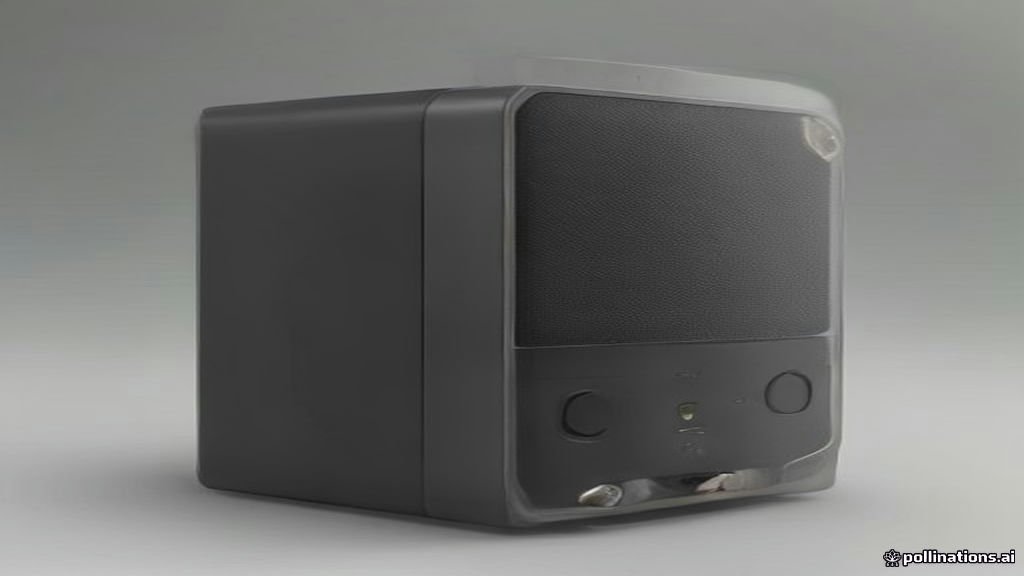
When unboxing the Jackery Explorer 1000 v2, one of the most immediate takeaways is the noticeable reduction in physical weight and overall dimensions compared to the first-generation model. Weighing in at approximately 23.8 pounds, it strikes a favorable balance between heavy-duty capacity and genuine portability, making it significantly easier to lift, transport, and pack into a loaded car trunk alongside camping gear. The chassis is constructed from high-impact, flame-retardant engineering plastics designed to withstand the accidental bumps, drops, and general wear and tear associated with outdoor camping trips and emergency deployment. Jackery retains its signature high-visibility orange and dark charcoal color palette, which ensures the unit is easy to spot in low-light environments like a tent or a dark basement during a blackout. Unlike earlier models that featured a bulky, protruding fixed top handle, the v2 incorporates a more streamlined structural profile with a foldable handle design. This clever adjustment allows users to stack lightweight gear or other compatible accessories directly on top of the unit when stored, maximizing space efficiency in tight storage spaces like RV compartments or apartment closets. The front-facing control panel is cleanly organized, grouping AC outlets, DC car ports, and various USB connections into logical zones. A bright, crisp LCD screen dominates the upper portion of the panel, providing real-time data on remaining battery percentage, input wattage from solar or wall charging, and output wattage currently being drawn by connected devices. This ensures users can monitor power consumption at a glance without guesswork.
Key Features and Performance
The single most important upgrade inside the Jackery Explorer 1000 v2 is the integration of Lithium Iron Phosphate, commonly known as LiFePO4, battery chemistry. Moving away from traditional ternary lithium cells, LiFePO4 technology drastically increases the lifespan of the power station, rated for thousands of charge cycles while retaining a high percentage of its original capacity even after years of regular use. This chemistry is also inherently more stable, offering enhanced thermal and chemical safety against overheating under heavy electrical loads. With a total capacity of 1070Wh and a continuous AC output of 1500W—with the ability to handle surges up to 3000W—this power station is more than capable of running a wide variety of household appliances and personal electronics. In real-world performance evaluations, it comfortably handles power-hungry devices such as electric skillets, portable refrigerators, CPAP breathing machines for overnight medical use, laptops, and mobile phones. Recharging performance is another area where the v2 shines. The unit supports rapid wall charging, capable of going from zero to full capacity in approximately two hours, which is vital when preparing for an imminent storm or quick turnaround between weekend camping trips. Furthermore, the integrated maximum power point tracking solar regulator allows users to harness high-wattage solar panels for efficient, completely off-grid energy replenishment when the sun is shining. The internal battery management system continuously monitors voltage, current, and internal temperatures, actively preventing short circuits, overcharging, and deep discharges to preserve the long-term health of the cells.
Who It Is For (and Who Should Skip It)
Identifying whether the Jackery Explorer 1000 v2 aligns with your specific lifestyle requirements comes down to understanding its operational sweet spot. This power station is tailor-made for weekend campers, overlanders, RV travelers, and suburban homeowners who live in regions susceptible to brief, recurring grid outages lasting a day or two. It provides enough reserve energy to keep communication lines open, illumination running, and essential food fresh without the noise, exhaust fumes, or pull-cord frustration of a gasoline generator. It is also exceptionally well-suited for digital nomads and remote workers who need to keep workstations, cameras, and drones fully charged while working from remote locations far away from traditional electrical grids. Conversely, there are specific user profiles who should strongly consider skipping this model. If you live in an area prone to catastrophic multi-day or multi-week winter storms and need a system capable of powering major heavy-duty home circuits, a central whole-home solar generator kit with expansion batteries will be necessary. Similarly, individuals who require extreme high-wattage professional power tools on a construction job site will quickly exceed the 1500W continuous output limit. Finally, tech-savvy users who deeply value comprehensive smartphone app integration for remote monitoring via Bluetooth or Wi-Fi may find Jackery's interface slightly too traditional, as this model places a heavier emphasis on physical onboard controls rather than smart ecosystem connectivity.
Alternatives Worth Considering
The mid-range portable power station market is populated by several formidable competitors, each bringing distinct advantages and trade-offs to the table. The Bluetti EB70S is frequently cited as a budget-friendly alternative that delivers reliable LiFePO4 performance and a solid port selection at a lower entry price point, though it lacks the blazing-fast wall charging speeds and slightly higher capacity found in the Jackery v2. Another prominent rival is the EcoFlow River 2 Pro. The EcoFlow model is celebrated for its exceptionally rapid AC recharging capabilities—often reaching full charge in well under an hour—and features a robust companion smartphone app for remote management, though its total capacity is noticeably lower than the Jackery. For buyers looking for a direct capacity and power output match, the Anker Solix C1000 serves as a direct competitor. The Anker unit matches the 1056Wh range and delivers aggressive fast-charging performance while incorporating an extended product warranty lifecycle, though it carries a slightly heavier physical weight profile compared to Jackery's streamlined build. Comparing these options reveals that while Jackery may not hold the crown for every single specification metric, it consistently delivers an exceptionally well-rounded, user-friendly experience that prioritizes physical durability and straightforward operation.
Final Verdict
The Jackery Explorer 1000 v2 successfully addresses the shortcomings of previous iterations by shedding excess weight, upgrading to a safer and vastly more durable LiFePO4 battery architecture, and streamlining its physical form factor for better storage and transport. While it encounters fierce market competition from rivals that offer advanced mobile app ecosystems or ultra-fast niche charging times, Jackery compensates with a rock-solid reputation for reliability, intuitive layout design, and accessible customer support. For campers seeking dependable off-grid electricity or homeowners wanting peace of mind during unexpected power failures, this unit bridges the gap between massive whole-home systems and underpowered pocket power banks. It represents a mature, highly functional, and dependable mid-range power station that justifies its investment for anyone needing portable energy security.