Overview
In the expansive and sometimes confusing world of portable energy storage, the Jackery Explorer 240D occupies a vital niche. It is engineered specifically for the user who demands more utility than a standard pocket power bank can provide, yet does not wish to carry the substantial weight, bulk, or financial investment of a large-capacity home backup battery. When you are venturing away from the electrical grid, whether that is for a weekend of tent camping, a day trip at the beach, or an afternoon of off-site photography, the need for consistent power for small electronics becomes a necessity rather than a luxury. This unit is designed to bridge that gap.
As you explore your options, you will find that power stations are often graded by their capacity in watt-hours. The 240D, with its modest but efficient capacity, is positioned as an entry-level power station. It represents the perfect middle ground for the minimalist traveler. By focusing on essential output ports and a streamlined internal architecture, Jackery has managed to keep the physical footprint small enough to fit easily into a vehicle trunk, a kayak hatch, or even a large daypack. It serves as a reliable hub for your phones, tablets, cameras, and drones, ensuring you stay connected and powered throughout your short-duration outdoor adventures.
Design and Build
The design philosophy of the Jackery Explorer 240D is rooted in the instantly recognizable orange-and-black color scheme that has become synonymous with the brand in the outdoor power category. Beyond the aesthetics, the unit features a ruggedized carry handle that sits perfectly flush with the top of the chassis. This design choice is not just for show; it makes the unit much easier to pack, as it does not snag on other gear or take up unnecessary vertical space in your storage containers. The exterior casing is constructed from high-impact ABS plastics designed to withstand the inevitable bumps, vibrations, and occasional drops that occur during outdoor activities.
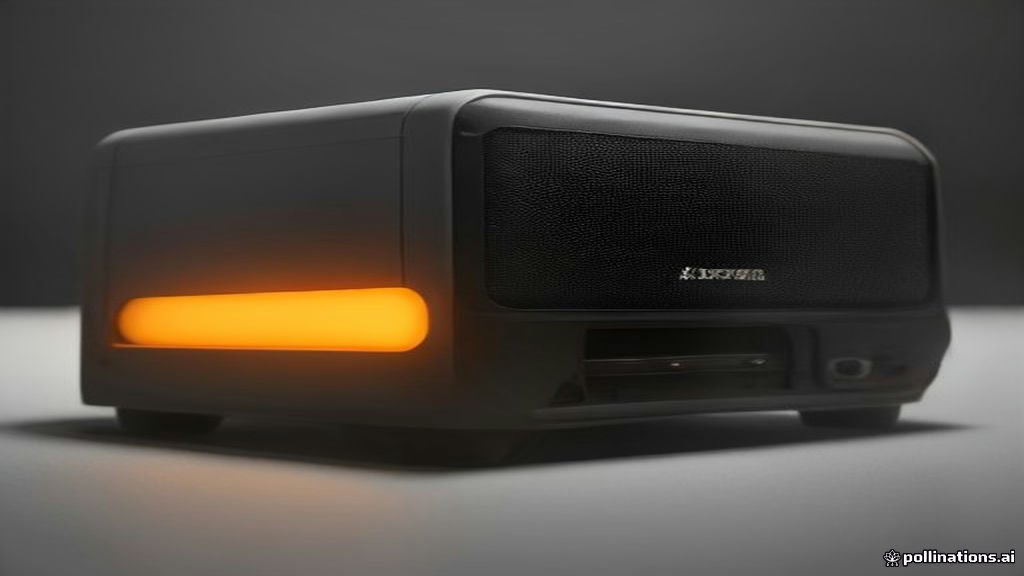
When examining the layout, you will notice a logical and intuitive organization of ports. The front face is dedicated to the interface, where you will find an AC outlet, a standard USB-A port, and a dedicated 12V DC car output. Each section is clearly delineated, which is a major advantage when you are operating in low-light conditions, such as inside a dark tent or at night. The integrated LED display is perhaps the most crucial design element, providing real-time data on input and output wattage and, most importantly, the exact percentage of remaining battery life. Unlike some competitors that use ambiguous bar charts, the numeric readout allows for precise planning, which helps you manage your energy consumption throughout your trip. The overall fit and finish feel solid, with no rattles or loose components, suggesting a level of durability that gives you confidence when you are miles away from the nearest repair shop.
Key Features and Performance
The performance profile of the 240D is optimized for stability and reliability rather than sheer power output. It is essentially designed to provide a steady, clean electrical flow for small-to-medium electronic devices. Because it uses a modified sine wave or similar inverter output common in this tier, it excels at charging digital devices, powering LED lighting, and running small cooling fans. It is important to remember that this unit is not intended for high-draw appliances; do not expect to power a high-wattage space heater, an electric skillet, or a heavy-duty power tool. Attempting to draw too much power will trigger the overload protection, which is a standard safety feature.
One of the most frequently lauded aspects of the 240D in user feedback is the efficiency of its charging process. When connected to a wall outlet, the internal system maximizes the input to ensure you are back to 100 percent in a reasonable timeframe. For those relying on solar energy, the integration with portable solar panels is remarkably straightforward. The built-in charge controller is capable of handling moderate fluctuations in sunlight, ensuring that the battery continues to draw power even when cloud cover moves in temporarily. The battery management system (BMS) acts as the "brain" of the station, constantly monitoring voltage levels, temperature, and short-circuit conditions. This level of protection is vital for the longevity of the lithium-ion cells inside. Users also appreciate the operation noise—or rather, the lack of it. Even when the internal cooling fan is engaged, the unit remains impressively quiet, which is a massive bonus if you are using it in a quiet campsite or for nighttime use inside a shared sleeping space.
Who It Is For (and Who Should Skip It)
The Jackery Explorer 240D is purpose-built for the solo or duo camper who prioritizes weight-saving. If you are a landscape photographer, you will find this unit invaluable for keeping your camera batteries, drones, and smartphone ready to go throughout a weekend shoot. It is also an excellent addition to a "go-bag" or an emergency kit, as it provides enough capacity to keep critical communication devices powered during short-term power outages. The ease of use also makes it a great entry point for those who have never used a portable power station before and want a system that "just works" without a steep learning curve.
However, there are specific scenarios where this unit would be the wrong choice. If you are planning on utilizing a CPAP machine for sleep apnea support, the 240D is likely too small. Most CPAP machines require a stable, high-capacity power source for a full eight-hour night, especially if a humidifier or heater is active. In such cases, you need a unit with significantly higher watt-hour capacity and a continuous pure sine wave output. Furthermore, if you are attempting to power larger off-grid comforts like a full-sized portable refrigerator or a high-wattage water kettle, you will quickly find the 240D undersized for the task. For those scenarios, the trade-off in weight and portability for a larger, higher-capacity model is necessary.
Alternatives Worth Considering
The marketplace for portable power is currently quite competitive, and looking at alternatives can help you decide if the 240D is truly the right fit for your needs. The EcoFlow RIVER 2 is a strong competitor that features modern lithium iron phosphate (LiFePO4) battery chemistry, which generally offers a longer cycle life than traditional lithium-ion. It also supports much faster recharge times and includes a mobile app for remote monitoring, though some users find the extra "smart" features to be overkill if they prefer simple, manual operation. The Bluetti EB3A is another popular alternative in this class. It often boasts a higher inverter power rating, which allows it to handle slightly heavier surges and short bursts of higher wattage, though the build and interface are arguably more cluttered than the Jackery approach. Finally, the Goal Zero Yeti 200X remains a classic choice for those who value extreme industrial design and a long history of reliability in the field, though it is often priced at a premium compared to the Jackery, and the capacity is slightly lower on paper.
Final Verdict
In conclusion, the Jackery Explorer 240D succeeds because it knows exactly what it is: a portable, dependable, and user-friendly energy source for the weekend adventurer. It does not attempt to be a replacement for a home generator or a heavy-duty, high-capacity industrial power hub. Instead, it provides a stable foundation for the small electronics that we rely on in our daily lives, even when we are far from a wall outlet. Its combination of a lightweight design, simple interface, and robust safety protocols makes it a smart purchase for a wide range of outdoor enthusiasts. By managing your expectations and ensuring the device matches your specific power needs—primarily for phones, tablets, and small gear—you will find the 240D to be an excellent, long-lasting addition to your adventure kit. It remains one of the most reliable entry-level options on the market today.