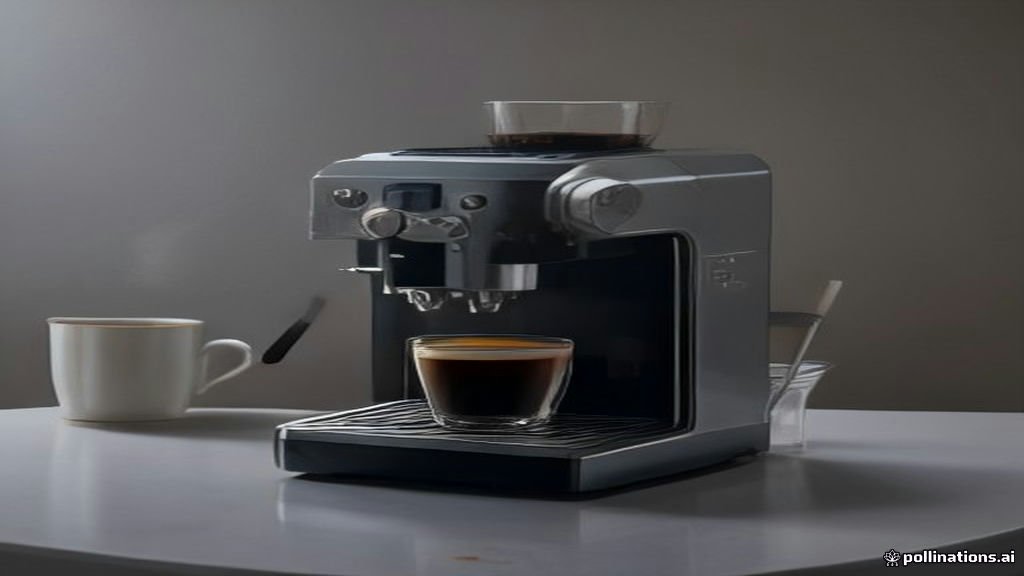
Overview
The Philips 2200 espresso machine is a staple in the entry-level automatic coffee category. Designed to bridge the gap between expensive, complex super-automatics and the labor-intensive process of manual espresso making, this machine aims to provide a consistent cup of coffee or espresso with minimal effort. For many home users, the appeal lies in its automated workflow, which handles grinding, dosing, and brewing internally. Unlike manual machines that require a steep learning curve to master tamping pressure and grind size, the Philips 2200 is built for speed and reliability, ensuring you can get a hot beverage within moments of waking up.
By integrating a bean-to-cup system, this unit eliminates the need for separate coffee grinders and digital scales. It is an ideal piece of equipment for households that prioritize convenience and floor space. Whether you are a fan of a quick double shot of espresso to kickstart your day or a longer cup of black coffee, this machine standardizes the variables so that the human element of error is significantly reduced.
Design and Build
The machine features a compact footprint that fits well on most kitchen counters. The exterior is primarily high-quality plastic, which helps keep the weight down while maintaining durability. While some competitors utilize stainless steel, the plastic build on the Philips 2200 is sturdy and resistant to fingerprints, making it easier to maintain in a busy kitchen environment. The front interface is centered around a user-friendly touch-based display. This panel allows you to select your preferred strength, volume, and drink type with simple icons that light up, removing the complexity of complicated menus.
The water tank and grounds bin are accessible from the front or side, making it easy to refill or empty without moving the unit under low-hanging cabinets. The bean hopper is situated on top, featuring an aroma seal to help maintain the freshness of your coffee beans by preventing air exposure. This is a crucial design detail for flavor preservation that is sometimes overlooked in other budget-friendly machines. The overall aesthetic is minimalist and modern, fitting in well with contemporary kitchen decor without drawing too much attention.
Key Features and Performance
At the core of the Philips 2200 is a durable ceramic flat burr grinder. Ceramic is often preferred over steel for home machines because it is resistant to heat, ensuring that your coffee beans do not get prematurely scorched during the grinding process. This consistency in grind temperature directly contributes to a cleaner, more balanced flavor profile in the cup. You can adjust the grind size through a simple dial hidden inside the bean hopper, offering 12 levels of customization from fine for espresso to coarse for standard coffee.
The machine utilizes a removable brew group, which is a hallmark of Philips and Gaggia machines. This design allows you to remove the entire internal assembly and rinse it under the tap once a week. Because coffee oils can turn rancid, having easy access to this component significantly extends the lifespan of the machine and ensures that your coffee remains fresh-tasting over the years. The heat-up time is quite fast, thanks to the integrated quick-heating boiler system. You do not have to wait for the machine to warm up for ten minutes; it is ready to extract your first shot in less than a minute after powering on.
For those who enjoy milk-based drinks, the machine is available in versions featuring either the LatteGo milk system or a classic steam wand. The LatteGo is a standout feature for beginners; it has only two parts and no tubes, making it incredibly easy to clean compared to traditional milk carafes that often suffer from milk residue buildup in internal pipes. The steam wand version, while manual, provides better control for those who want to attempt latte art, offering a more hands-on experience.
Who It Is For (and Who Should Skip It)
The Philips 2200 is perfect for the busy professional or a family of coffee drinkers who want a "set it and forget it" style of machine. If you are tired of the mess created by manual portafilters, the waste generated by plastic coffee pods, or the inconsistency of store-bought coffee, this machine offers a compelling middle ground. It is an excellent choice for a first-time espresso machine owner who is intimidated by the manual process but still wants to control the quality of the beans being used.
Conversely, you should skip this model if you consider yourself a true coffee aficionado who wants to adjust the water temperature, the specific pressure profile, or the pre-infusion time of each shot. This is a consumer-grade appliance, not a prosumer one. Additionally, if you are looking for a machine that can produce cafe-quality microfoam for intricate latte art every single time, you will likely find the limitations of the provided steam wand or automatic milk frother to be frustrating. Those seeking total creative control will be better served by a manual machine and a separate, high-quality burr grinder.
Alternatives Worth Considering
The De'Longhi Magnifica S is the most direct competitor, offering a similar set of features with a slightly more rugged feel and a mechanical dial-based interface that some users find more tactile. The Gaggia Brera is another option that sits in the same price tier; it is often praised for its ability to produce a slightly better espresso crema but lacks the streamlined, easy-to-clean milk system found on the Philips. If you want something even more basic and space-saving, the Breville Bambino is a strong alternative, though it is important to remember that it is a semi-automatic machine. With the Bambino, you must buy a grinder separately, measure and tamp the coffee manually, and steam the milk yourself. It is a hobbyist machine, whereas the Philips 2200 is an appliance designed to serve coffee with as little friction as possible.
Final Verdict
The Philips 2200 is a reliable, pragmatic workhorse that delivers consistently good coffee at the touch of a button. By removing the technical barriers associated with espresso, it makes high-quality coffee accessible to everyone in the home. While it does not offer the advanced customization or premium materials found in machines costing triple the price, it hits a "sweet spot" of price, performance, and maintenance. If you prioritize saving time in the morning without sacrificing the quality of your caffeine fix, this machine is a stellar addition to your kitchen setup. Its ease of cleaning alone makes it a top-tier recommendation for those who want to spend their time drinking coffee, not maintaining their equipment.