Overview
In the current market for high-performance kitchen appliances, the Philips 7000 blender aims to bridge the gap between entry-level devices and high-priced professional models. For many home cooks, the transition from a standard, low-wattage blender to a more robust machine is driven by the desire for better texture in smoothies, more efficient soup preparation, and the ability to process difficult ingredients without constant manual interference. This blender is specifically engineered to provide consistent results for a wide variety of culinary tasks, from crushing ice for frozen margaritas to creating silky-smooth nut milks and complex sauces.
When analyzing the value proposition of the Philips 7000, it is helpful to look at how it fits into a modern lifestyle. Its design philosophy emphasizes a blend of functional power and approachable aesthetics. Unlike some professional machines that prioritize raw, sometimes excessive power at the expense of ease of use, the Philips 7000 focuses on an integrated ecosystem of blade technology, motor speed regulation, and user-friendly software presets. This makes it an attractive candidate for households that prioritize both efficiency and high-quality results without requiring the user to be a culinary expert.
Design and Build
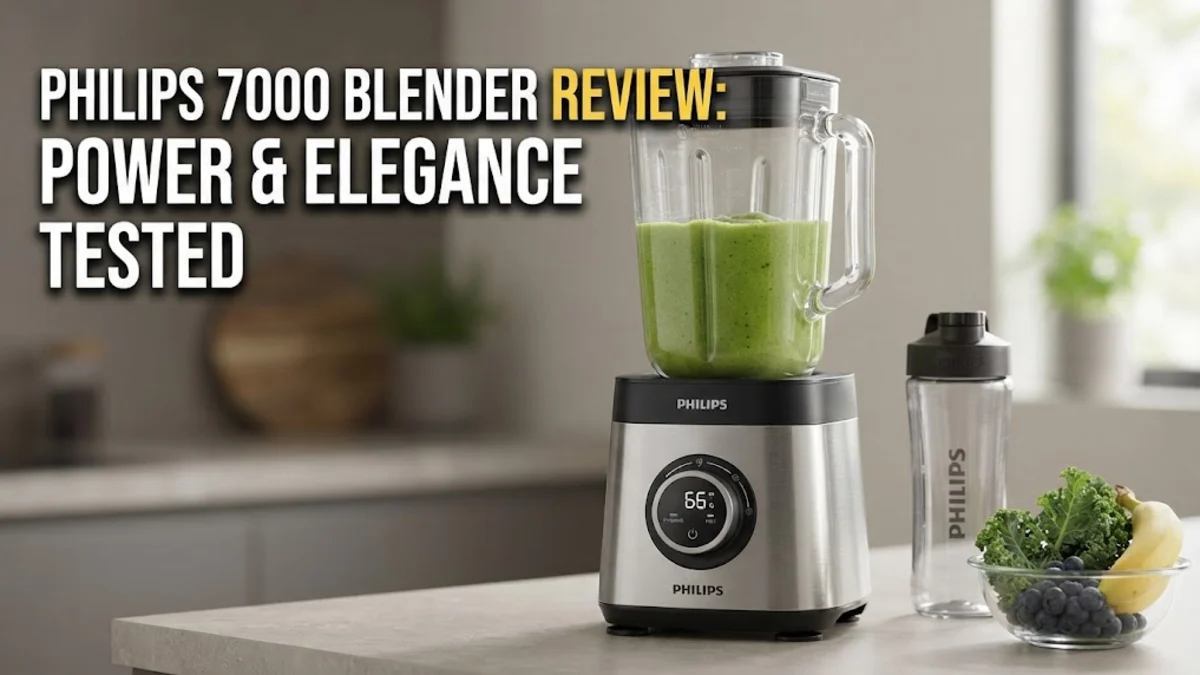
The first interaction with the Philips 7000 reveals a commitment to durability and user-centric engineering. The motor base is constructed with high-quality, dense plastics and metallic accents that minimize vibration during operation. This structural integrity is essential, as a wobbling blender base is a common complaint with lighter units that lack proper weight distribution. The interface is intuitive, featuring a sleek, responsive control panel that offers both preset cycles and a manual pulse option. This allows the user to exert control when the texture requires fine-tuning, such as with chunky salsas or delicate herb-based pestos.
The pitcher, or carafe, is another point of interest. It is constructed from a high-impact, BPA-free material that is designed to withstand the stress of high-speed rotation and the impact of frozen components over time. A critical design feature is the locking mechanism; it is designed to feel secure when the jug is seated, providing a tactile "click" that ensures the motor will only engage once the unit is fully safe. This is a significant improvement over blenders that require precise, difficult alignment. The capacity is sufficient for a family of four, allowing for batch preparation without needing to stop and restart, which is a major time-saver during busy weekday breakfast preparations.
Key Features and Performance
At the center of the Philips 7000 is its high-performance motor coupled with a proprietary blade geometry. This system is designed to create a powerful vortex, which is the secret to a smooth blend. By pulling ingredients downward consistently, the machine minimizes "dead zones" where chunks can become trapped, preventing the common frustration of needing to stop the machine to stir or add more liquid. The preset programs are particularly helpful, as they are calibrated for specific tasks, allowing the blender to ramp up and down in speed to maximize processing efficiency without needing supervision.
In practical application, the machine handles frozen fruit and fibrous greens, like kale or spinach, with impressive consistency. Users who regularly prepare morning smoothies will appreciate that they can hit a button and let the machine work while they focus on other morning tasks. The ice-crushing performance is equally noteworthy; the blades are sharp and angled to pulverize frozen cubes into a snow-like texture, which is a key requirement for anyone interested in making frozen mocktails or smoothies. Cleanup is also simplified; the carafe is generally dishwasher-safe, but the design is smooth enough that a quick rinse with warm water and soap right after use is often sufficient for daily maintenance. The lack of hidden crevices where food can build up is a major advantage for hygiene.
Who It Is For (and Who Should Skip It)
This blender is ideally suited for the busy individual or family who relies on consistent, nutritious results. If you find yourself making smoothies every morning, or if you enjoy prepping homemade soups, dressings, and dips on a weekly basis, the convenience of the Philips 7000 will be a noticeable upgrade. It is for those who value efficiency, reliability, and a clean, modern aesthetic that looks professional on a countertop. It is also a good choice for someone looking to move away from low-quality plastic blenders that consistently struggle with thick textures.
Conversely, there are certain users for whom this model may not be the optimal choice. If your primary goal is to churn out heavy, thick bread doughs, or if you are interested in commercial-grade, daily production of almond butter in massive quantities, you might benefit more from a high-end, dedicated, professional-grade appliance that features even higher motor torque. Additionally, for those with extremely limited counter space, it is important to measure your clearance, as the height of the unit is substantial to accommodate its large-capacity carafe. If your kitchen layout is particularly compact, you may find the unit challenging to store in traditional cabinets.
Alternatives Worth Considering
To provide a balanced view, it is useful to compare the Philips 7000 against its main rivals. The Vitamix E310 Explorian is perhaps the most famous competitor in this space. It is renowned for its sheer, raw power and long-term durability, often lasting for many years of intense use. However, the E310 is typically more expensive and lacks the convenient, automated preset buttons found on the Philips 7000, making it feel slightly more manual and "old school" in operation. For users who prefer a "set it and forget it" approach, the Philips interface is arguably more modern.
The Ninja Professional Plus is another common alternative, often sold at a more accessible price point. While it is highly popular for its ability to crush ice effectively, some long-term owners report that the plastic components feel less premium, and the overall longevity might not match that of the Philips 7000. Finally, the KitchenAid K400 stands as a significant rival if you are prioritizing style; it is available in a wide range of colors and performs very well with dense ingredients, though it sometimes falls behind the Philips in terms of automated program versatility. Choosing between these comes down to whether you prioritize raw power, ease of use, or aesthetic customization.
Final Verdict
The Philips 7000 blender sits in a compelling middle ground, offering a sophisticated, high-performance experience that most home kitchens will find more than capable for daily needs. By focusing on smart design, effective vortex blending, and intuitive controls, it alleviates the most common annoyances associated with mid-range blenders. It performs exceptionally well for the vast majority of recipes, from icy drinks to silky purees, and its build quality suggests it can withstand the rigors of consistent, long-term use. While it may not replace a full-scale commercial laboratory blender, for the average consumer, it represents a thoughtful investment in kitchen efficiency.
Ultimately, the user experience is defined by the blend of performance and convenience. It does the heavy lifting, it is easy to maintain, and it delivers results that justify its cost. If you have been hesitant about upgrading your blender, or if your current model is struggling with the basics, the Philips 7000 is an excellent candidate to consider. It respects your time, simplifies your process, and consistently provides the textures you want. We find it to be a balanced, well-rounded performer that earns its place in the modern home.