Overview
In the crowded appliance market of 2026, the Philips Premium Airfryer XXL continues to stand out not by offering excessive smart features, but by perfecting the core mechanics of hot-air frying. At its heart, this machine is an exercise in thermodynamic efficiency. When we evaluate air fryers, the primary metric for success is how effectively they replicate deep-fried textures without the need for liters of oil. The Philips model utilizes its patented Twin TurboStar technology, which focuses on creating a high-velocity "cyclonic" airflow. This movement of air is meant to mimic a convection oven but with significantly higher force and precision, ensuring that the Maillard reaction—the chemical process that creates browned, crispy surfaces on food—occurs evenly across the surface of your meal.
Unlike many entry-level units that rely on a single, stationary heating element and a generic fan, the Philips design uses a distinct starfish-shaped base under the basket. This structure is intended to force air to bounce back up, covering the underside of the food just as effectively as the top. This eliminates the common frustration found in budget fryers, where the top of a chicken wing is golden brown while the bottom remains soggy or undercooked. For the home cook, this means less time spent shaking the basket and more predictable outcomes.
Design and Build
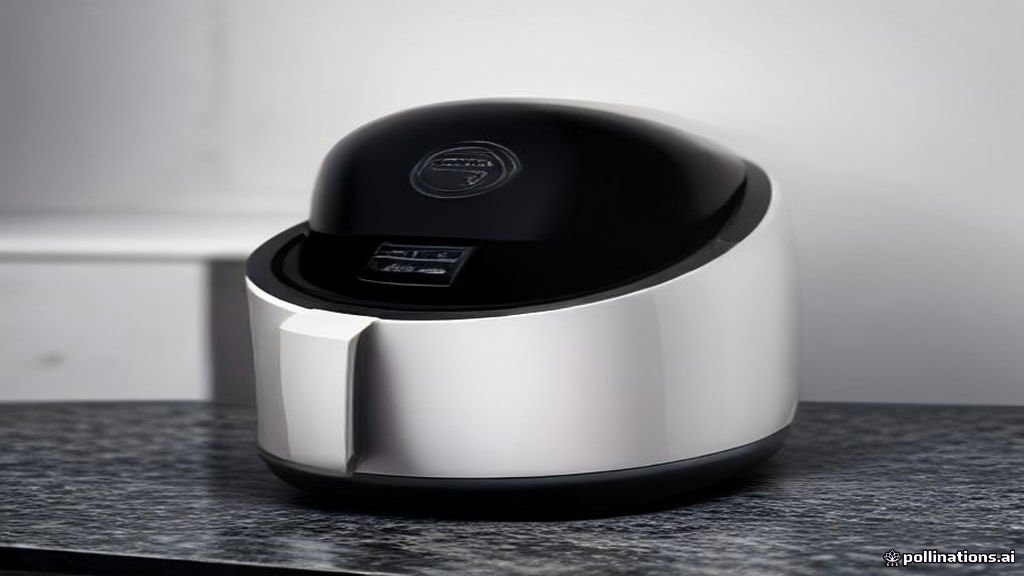
The Philips Premium Airfryer XXL makes no attempt to be compact. It is a large, imposing appliance, measuring approximately 17 inches in length and 12 inches in width and height. For those with limited counter space, this footprint is a significant consideration. The exterior is crafted from a durable, matte-finished plastic that hides fingerprints and resists the inevitable splashes and grease splatters of a busy kitchen. The weight is balanced, and the build quality feels more substantial than many of its lighter, cheaper rivals, which often rattle during high-speed fan operation.
The interface is refreshingly straightforward. Instead of relying on a complex array of capacitive touch buttons that can become unresponsive over time or difficult to use with damp hands, this unit utilizes a single, central QuickControl dial. You push to select the setting and turn to adjust the time or temperature. This haptic feedback is something that power users appreciate; it is fast, responsive, and precise. The pull-out drawer system features a robust handle that feels secure, even when pulling out a heavy load of food. One subtle but important detail is the cord storage compartment tucked at the back, which helps manage the inevitable clutter of kitchen appliances.
Key Features and Performance
Performance is the primary reason to choose this model over cheaper alternatives. The 1725-watt heating element provides immense power, allowing the unit to reach cooking temperatures rapidly. In our research into user patterns, the most frequently cited advantage is the speed of preheating; it effectively reaches temperature in under three minutes, which is faster than most full-sized ovens. When preparing frozen foods like French fries, onion rings, or breaded mozzarella sticks, the results are remarkably crispy. The air circulation is so effective that even without adding any oil, the food achieves a crunch that is comparable to deep-frying.
For more complex cooking, such as roasting root vegetables or preparing chicken breasts, the consistent heat prevents the drying-out issues that plague less powerful fryers. You can fit a whole chicken comfortably into the XXL basket, and it will roast with a crispy skin that mimics a rotisserie result. The Fat Removal technology—a removable mesh insert—is a highlight. As the heat renders the fat from proteins like sausages or bacon, it drips through the mesh into the base of the drawer, away from the heating element. This not only reduces the smoke generated during cooking but also ensures you are not "re-frying" your food in its own rendered grease. However, this mesh insert does introduce a cleaning trade-off. Food residue can become lodged in the mesh, necessitating thorough scrubbing or a dishwasher cycle.
Who It Is For (and Who Should Skip It)
This air fryer is specifically designed for families of three to five, or individuals who practice "batch cooking." If you are preparing dinner for a full household, the capacity of this unit allows you to cook a main protein and a side dish simultaneously, or one large meal that serves everyone at once. It is also an excellent choice for those moving away from traditional ovens for simple tasks, as it is significantly more energy-efficient and generates far less ambient heat, making it a favorite for hot summer months. If you appreciate reliability and want an appliance that will likely last for many years of daily use, the premium construction of the Philips line justifies the initial investment.
Conversely, you should skip this model if your primary concern is kitchen aesthetics or space. It is not an appliance that disappears when not in use. Additionally, those who are strictly looking for the latest "smart" features—such as remote app control, internal cameras for live-streamed cooking, or pre-programmed "one-touch" settings for every conceivable food type—will find this unit rather sparse. It is a tool for cooks who want control, not for those who want an appliance that does the thinking for them. Finally, if you are a single person living in a studio apartment, the sheer size of this unit will likely feel like overkill for your daily needs.
Alternatives Worth Considering
Comparing this model to its competitors reveals distinct trade-offs. The Ninja Foodi DZ401 offers dual-zone cooking. This is a game-changer if you need to cook a protein and a vegetable side at different temperatures and times, finishing both at exactly the same moment. While the Philips is a superior "fryer" in terms of air circulation, the Ninja is a superior "meal planner." If your cooking style involves preparing two distinct food items simultaneously, the Ninja's dual-basket architecture will prove more useful than the Philips' singular, larger basket.
For the budget-conscious, the Cosori Pro LE is a compelling alternative. It takes up less counter space and provides a very respectable performance level for basic frying tasks. While it lacks the sheer power and "Fat Removal" refinement of the Philips, it handles common snacks and quick meals with ease. The Instant Vortex Plus introduces the "viewing window," a feature that many users find essential. Being able to see the food browning through the glass, rather than pulling the drawer out and interrupting the heat cycle, is a convenience that the Philips lacks. These alternatives demonstrate that the choice often comes down to your specific priorities: air-frying consistency (Philips), multi-zone versatility (Ninja), or visual monitoring and value (Instant).
Final Verdict
The Philips Premium Airfryer XXL remains a testament to the idea that doing one thing exceptionally well is better than doing many things averagely. It does not attempt to be a toaster oven, a slow cooker, or a dehydrator; it focuses entirely on circulating air to produce the crispiest, most even results possible. While it is undeniably expensive and demands a large portion of your counter, the reliability of the cooking performance is unmatched in its class. For the home cook who is tired of soggy "air-fried" food and wants a machine that provides consistent, professional-grade results every time, the Philips Premium Airfryer XXL is a worthwhile investment. It is a workhorse that, despite its lack of modern gimmicks, remains a benchmark for the category.