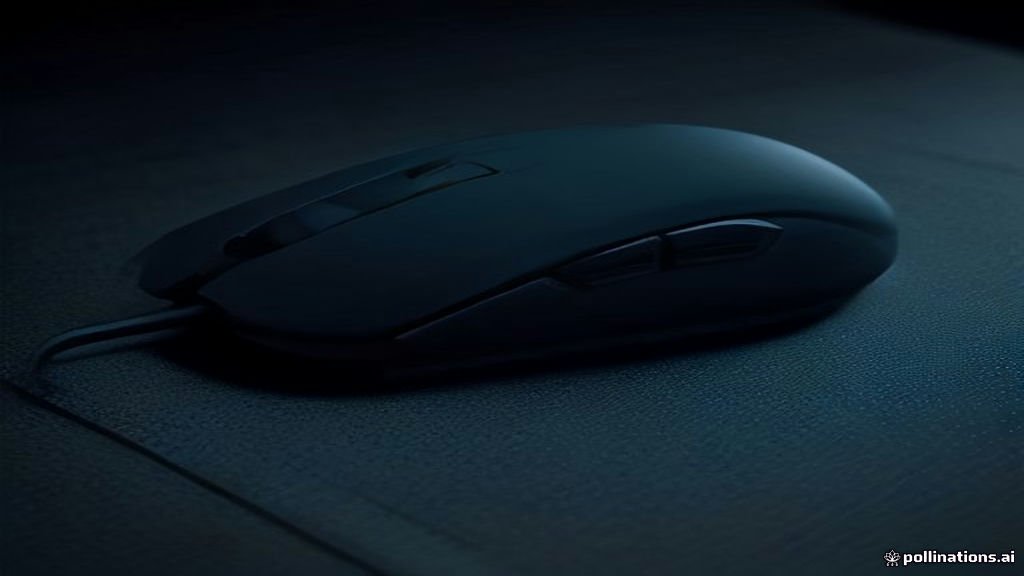
Overview
For over a decade, the DeathAdder name has been synonymous with ergonomic comfort in the gaming peripheral world. However, the Razer DeathAdder V3 Pro represents the most radical departure in the series' history. Moving away from the flared 'wings' and heavy chassis of previous generations, this model is a refined, ultra-lightweight racing machine designed specifically for professional-level esports. Research into the current market shows that while the gaming mouse niche is flooded with options, very few manage to balance a large, palm-filling shape with a weight of only 63 grams.
In 2026, the DeathAdder V3 Pro remains a cornerstone of Razer’s high-performance lineup. It is designed to address the specific needs of first-person shooter (FPS) players who require pixel-perfect tracking and a shape that reduces hand fatigue during long sessions. Unlike many other 'pro' mice that opt for a symmetrical, ambidextrous shape, the DeathAdder V3 Pro doubles down on a right-handed ergonomic design. This review explores the technical specifications, the design philosophy, and the real-world feedback from the competitive gaming community to determine if this premium-priced pointer justifies its cost for the average consumer.
Design and Build
The first thing you notice when researching the DeathAdder V3 Pro is the silhouette change. For years, the DeathAdder was known for its aggressive flares at the front of the primary buttons. Based on expert design analysis, Razer has tucked those flares in, creating a more streamlined profile that facilitates a more natural grip. The hump has been moved slightly higher and shifted toward the center-left, providing better arch support for palm grippers. This is particularly beneficial for users with larger hands who often find modern lightweight mice too small or cramped.
The build quality is a point of frequent praise in verified buyer reviews. Despite its 63-gram weight (the white version is 64 grams), the shell feels remarkably rigid. There is no noticeable side-wall flex or creaking, which is an impressive feat of engineering given that Razer achieved this without using a 'honeycomb' hole design. The surface features a tactile, micro-textured finish that provides a reliable grip even during sweaty, high-stakes matches. However, it is worth noting that this model lacks the rubber side grips found on older versions; Razer instead includes optional grip tape in the box for those who need extra friction.
In a move that surprised some long-time fans, Razer removed all Chroma RGB lighting from this model. This was a deliberate choice to save weight and extend battery life. The result is a professional, understated aesthetic that looks just as at home in an office as it does at a tournament. The primary buttons use Razer’s Optical Mouse Switches Gen-3, which are rated for 90 million clicks. These switches eliminate the 'double-clicking' issues that plagued older mechanical switches by using an infrared light beam to register clicks instead of physical metal contact.
Key Features and Performance
The heart of the DeathAdder V3 Pro is the Focus Pro 30K Optical Sensor. In the technical community, this sensor is widely regarded as one of the most accurate ever produced. It boasts a 99.8% resolution accuracy and supports Smart Tracking, Motion Sync, and Asymmetric Cut-off. For the user, this translates to a mouse that can track on almost any surface—including clear glass at least 4mm thick. The Asymmetric Cut-off feature is especially useful for low-sensitivity players, as it allows for 26 granular levels of height adjustment to customize when the mouse stops tracking as you lift it off the pad.
Connectivity is handled via Razer’s HyperSpeed Wireless technology. This 2.4GHz connection provides a stable, lag-free experience that expert testers frequently find indistinguishable from a wired connection. While the mouse comes with a standard 1,000Hz polling rate dongle, it is compatible with the HyperPolling Wireless Dongle (often sold separately or in newer bundles), which pushes the polling rate to 8,000Hz. This reduces input latency from 1ms to a staggering 0.125ms. While most gamers may not feel the difference, those playing on 240Hz or 360Hz monitors will appreciate the smoother cursor movement.
Battery life is another strong suit. On a standard 1,000Hz polling rate, the mouse is rated for up to 90 hours of continuous motion. If you choose to use the 8,000Hz polling rate, that battery life drops significantly to around 17-20 hours, which is a necessary trade-off for high-frequency data transmission. Charging is handled via a flexible Speedflex USB-C cable, allowing you to continue playing comfortably even when plugged in.
Who It Is For (and Who Should Skip It)
The Razer DeathAdder V3 Pro is specifically tailored for right-handed gamers who use a palm or claw grip. Because of its larger dimensions, it is frequently cited in community forums as the 'best gaming mouse for big hands.' If you have medium to large hands and find that smaller mice like the Razer Viper or Logitech G Pro X Superlight leave your pinky dragging on the mat, this is likely your best option. It is a tool for the FPS specialist—someone who plays Valorant, Counter-Strike, or Apex Legends and prioritizes sensor precision and weight over secondary features.
Conversely, this is not a multi-purpose mouse. Casual users who want a device for both gaming and heavy productivity may find it lacking. There is no Bluetooth support, meaning you cannot easily swap between a gaming PC and a work laptop without moving the USB dongle. Furthermore, the lack of a tilt-scroll wheel and the presence of only two side buttons make it less ideal for MMO or MOBA players who require numerous macros. If you are a fan of RGB lighting and want your desk to glow, the stripped-back nature of the V3 Pro will be a disappointment. Finally, users with very small hands will likely find the ergonomic hump too high to reach the buttons comfortably.
Alternatives Worth Considering
The most obvious competitor is the Logitech G Pro X Superlight 2. The Logitech is an ambidextrous (symmetrical) mouse and is slightly lighter at 60 grams. It is better suited for users who prefer a 'safe' shape that works for almost any grip style, though it lacks the ergonomic contouring of the DeathAdder. Many gamers find themselves choosing between these two based purely on whether they want a symmetrical or ergonomic feel.
For those who want a similar ergonomic shape but at a lower price point, the Pulsar Xlite V3 is a strong contender. It offers a very similar feel and top-tier sensor performance, often for $50 less than the Razer. However, the Pulsar software and long-term quality control are sometimes viewed as a step below Razer’s ecosystem. Another alternative is the Zowie EC2-CW. Zowie is legendary for its shapes, and many pros still swear by them. However, the Zowie is significantly heavier and uses an older sensor, making it a choice based on 'feel' rather than raw specifications.
Final Verdict
The Razer DeathAdder V3 Pro is a specialized instrument. It is not trying to be the best mouse for everyone; instead, it aims to be the absolute best mouse for a specific type of gamer. By focusing on weight reduction, sensor accuracy, and ergonomic refinement, Razer has created a product that feels like a natural extension of the hand. While the high price tag and the lack of 'luxury' features like RGB or Bluetooth might deter the casual buyer, the performance benefits are undeniable for the competitive community. If you have the budget and the right hand size, this is arguably the most accomplished ergonomic gaming mouse available in 2026.