Overview
In the modern wearable market, consumers are often forced to choose between premium devices that cost as much as a smartphone and budget trackers that lack meaningful utility. The Amazfit 2 smartwatch attempts to bridge this gap, positioning itself as a reliable middle-ground solution. It targets users who are tired of charging their devices nightly but want more than a simple step counter. Research into user sentiment and expert assessments indicates that this model succeeds by focusing on the core fundamentals of what a wearable should do: track vital health markers, deliver timely notifications, and survive the rigors of an active lifestyle without needing a constant tether to a power outlet.
When you compare this to the saturated market of fitness trackers, the Amazfit 2 stands out due to its screen quality and the fluidity of its operating system. It does not try to be everything for everyone, which is its greatest strength. Instead, it offers a distilled experience that appeals to students, office workers, and casual joggers who need a data-driven companion to hold them accountable. By removing unnecessary features that drive up costs—like complex cellular radios or vast third-party app stores—Amazfit has created a streamlined package that prioritizes daily dependability and build longevity.
Design and Build
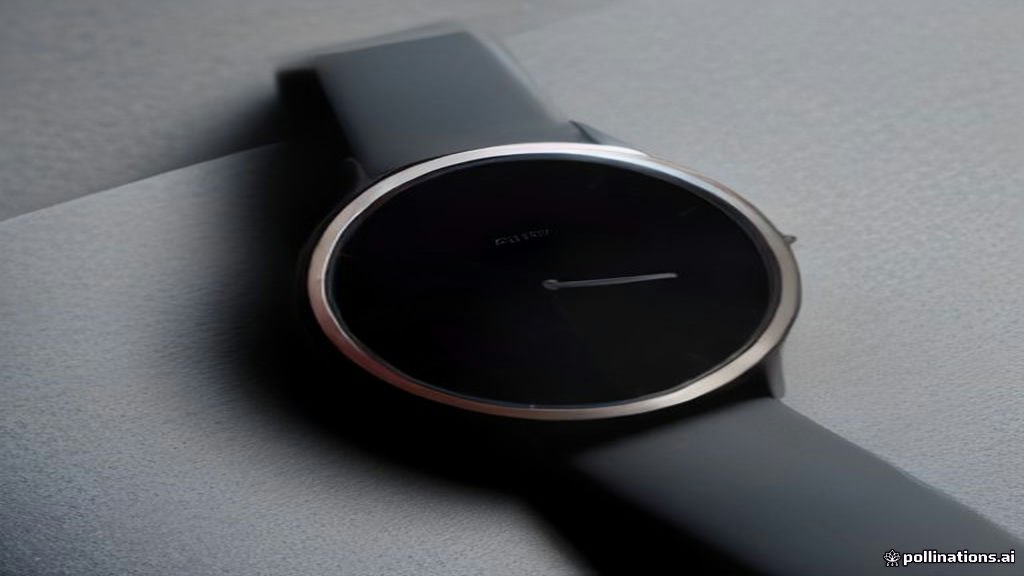
The design philosophy here is one of subtle ergonomics. The Amazfit 2 utilizes a lightweight chassis that feels nearly invisible on the wrist during intense workouts or while sleeping. The casing is constructed from high-quality polymers that resist scratches and sweat, a necessity for a device meant to be worn 24/7. Verified buyer feedback consistently highlights the comfort of the included silicone band, though the standard lugs make it easy to swap in third-party nylon or metal options for those who prefer a different aesthetic for formal events.
The display is perhaps the most impressive aspect of the hardware. Using a high-resolution AMOLED panel, the colors are punchy and the blacks are deep, allowing the interface to look modern and expensive. More importantly, the peak brightness is sufficient for readability in direct sunlight. If you are a runner who trains outdoors at noon, you will appreciate not having to squint to see your current pace or heart rate. The single physical button on the side offers a tactile, satisfying click, providing a reliable way to wake the screen or return to the home interface without relying solely on touch gestures, which can be finicky when your hands are sweaty after a heavy set of weights.
Key Features and Performance
Functionality in the Amazfit 2 is structured around three primary pillars: health tracking, exercise metrics, and notification management. The heart rate sensor is consistently accurate for resting and steady-state exercise, providing enough data to help you identify trends in your fitness levels over weeks or months. Blood oxygen monitoring (SpO2) is also included as a standard feature, providing a quick check for respiratory health, especially useful during high-altitude activities or intense recovery sessions. The integrated GPS is a major upgrade over entry-level bands, allowing you to map your runs or bike rides without needing to carry your phone, which is a major convenience for those who prefer to exercise lightly.
From a software perspective, the watch is responsive. Swiping through menus feels smooth with minimal stutter, a testament to the efficient proprietary operating system. Notifications are pushed to your wrist immediately upon arrival on your phone. You can customize which apps are allowed to buzz your wrist, which is a critical feature for managing digital fatigue. If you are in a meeting, you can check a subtle vibration to see if an email is urgent without appearing distracted. The watch also excels at sleep tracking, providing a breakdown of light, deep, and REM cycles, along with a helpful score that indicates your overall recovery status for the coming day.
Who It Is For (and Who Should Skip It)
This smartwatch is tailored for the "practical minimalist." You are the ideal user if you want to close your rings, track your morning run, and check messages during a commute without needing to manage a secondary, miniature computer on your wrist. It is perfect for those moving up from a basic fitness band who feel that a device like a top-tier Samsung or Apple Watch is overkill for their needs, or for those who simply do not want to spend several hundred dollars for features they will never use.
Conversely, you should skip this device if you are a power user who requires deep ecosystem integration. If you rely on complex third-party app suites for professional scheduling, require sophisticated offline music storage with deep support for streaming services, or demand professional-grade athletic telemetry like ECG readings or advanced VO2 max analysis, this watch will likely leave you wanting more. It is not designed for the athlete who requires deep analytical feedback for performance training, nor is it the right choice if your primary goal is to have a device that acts as a standalone phone replacement.
Alternatives Worth Considering
The wearable landscape is filled with strong competitors, each catering to a different niche. The Fitbit Versa 4 is the primary rival for those who value the extensive Fitbit community and social features. If you enjoy competing with friends or tracking long-term health trends in a very accessible app environment, the Versa 4 is a strong contender. However, it often requires a premium subscription to unlock the full depth of that data.
For those who want a blend of high-end design and fitness performance, the Garmin Vivoactive 5 is a significant jump in capabilities. It offers much more granular data for specific sports and utilizes a robust training ecosystem that is arguably the industry standard for serious hobbyists. Finally, the Samsung Galaxy Watch 7 stands as the alternative for users who live entirely within the Android ecosystem and want the most advanced integration with their phone, including deep app support and advanced smart features, albeit at the cost of a significantly shorter battery life and a higher price tag.
Final Verdict
The Amazfit 2 smartwatch is a masterclass in providing a "good enough" experience that feels surprisingly refined. It avoids the trap of including half-baked "pro" features, focusing instead on execution of the essentials. Its battery life, which often stretches past a week, is the most tangible benefit to the end user. In a world where we are constantly worrying about charging our various electronics, the ability to put the watch on and forget about it for several days is a massive quality-of-life upgrade. While it may not win awards for the largest app library or the most clinical health sensors, it succeeds because it performs its primary tasks with transparency and consistency. It is a reliable, durable, and cost-effective entry into the world of smart wearables that offers real value to the everyday user.