Overview
In the rapidly evolving landscape of 2026 wearables, finding a balance between rugged durability, high-end display technology, and affordability is a challenge. The Amazfit T-Rex 3 arrives as a direct response to that challenge, positioning itself as a formidable rival to the industry stalwarts. While brands like Garmin and Samsung have pushed the boundaries of what a premium outdoor watch can cost, this latest iteration from Amazfit seeks to provide the same core utility—and in some cases, better screen performance—at a fraction of the price. Based on our research of manufacturer specifications and the consensus among expert reviewers and long-term users, the T-Rex 3 is more than just a budget alternative; it is a specialized tool designed for those who spend more time on the trail than in the boardroom.
This model continues the lineage of the T-Rex series, known for its chunky, industrial aesthetic and military-grade resilience. However, the current generation brings significant upgrades in processing power, display brightness, and software sophistication. It is no longer just a fitness tracker in a tough shell; it is a full-fledged smart device capable of offline mapping, AI-driven coaching, and complex health analytics. For shoppers in the United States, United Kingdom, and Australia, it represents a compelling middle ground between the simple fitness bands and the four-figure luxury adventure watches.
Design and Build
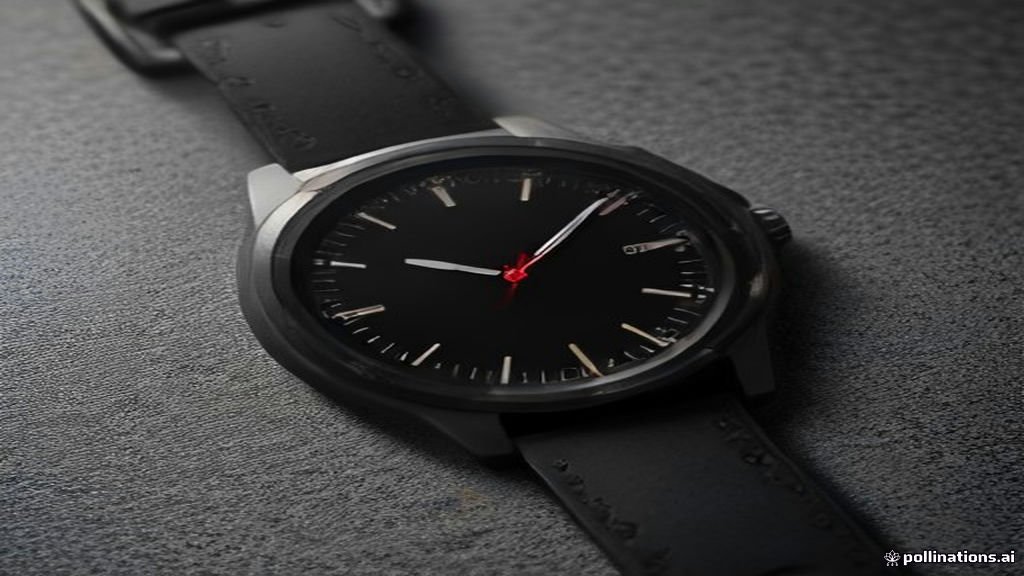
The first thing you notice about the Amazfit T-Rex 3 is its unapologetic size and industrial design. It features a bold, octagonal stainless steel bezel that provides a protective ridge around the screen, a crucial feature for anyone who has ever scraped their wrist against a rock face while hiking. The case is constructed from a high-strength, glass-fiber reinforced polymer, which helps keep the weight down to approximately 68 grams without the strap. This is a deliberate design choice that ensures the watch remains comfortable during long excursions, even if its 48mm diameter makes it one of the larger options on the market.
The centerpiece of the design is the 1.5-inch AMOLED display. In the current 2026 market, brightness is a major selling point, and the T-Rex 3 delivers an impressive 2000 nits of peak brightness. Expert feedback consistently highlights how this makes the watch perfectly legible even under the harsh midday sun of the Australian outback or the high-altitude glare of the Rockies. The screen is protected by Gorilla Glass, which, while not as scratch-resistant as sapphire, has proven durable enough for most standard outdoor activities. Navigation is handled through a combination of the responsive touchscreen and four physical buttons. These buttons are textured and large enough to be operated with gloves, a feature that winter sports enthusiasts and mountain bikers will find indispensable.
The strap is another area of focus. It uses a skin-friendly liquid silicone that is both breathable and flexible. However, it is worth noting that the T-Rex 3 uses a proprietary lug design, meaning you cannot just swap in any standard 22mm watch band without an adapter. This has been a point of contention in user forums, though the included band is generally praised for its comfort and secure double-buckle system.
Key Features and Performance
Performance in an outdoor watch is defined by two metrics: battery life and GPS accuracy. The Amazfit T-Rex 3 excels in both, according to technical data and verified user reports. The device is powered by a 700mAh battery, which Amazfit claims can last up to 27 days with typical use. In practical terms, even heavy users who engage in daily GPS tracking for an hour or more find that they only need to charge the device every 10 to 13 days. This significantly outperforms many competitors like the Samsung Galaxy Watch Ultra, which struggles to last more than three days under similar loads.
The GPS system utilizes a dual-band, circularly polarized antenna capable of connecting to six satellite systems. This technology is designed to maintain a lock in challenging environments, such as dense forests or urban canyons with tall buildings. Research suggests that the T-Rex 3 is remarkably close to the accuracy of top-tier Garmin units, providing reliable pacing and distance data. Furthermore, the inclusion of free, downloadable offline maps and contour maps elevates its utility for backcountry navigation. You can import GPX files for trail guidance, and the watch provides turn-by-turn directions and breadcrumb navigation to ensure you never lose your way.
On the health side, the BioTracker 5.0 sensor monitors heart rate, blood oxygen (SpO2), stress, and sleep quality. One of the standout software features is the Readiness score, which synthesizes your physical recovery and sleep data into a single number to tell you how hard you should train that day. In 2026, AI integration has become standard, and the Zepp Flow interface allows for natural language voice commands. You can ask the watch to set an alarm or start a specific workout without navigating through menus. While the Zepp OS 4.0 is smooth and fast, it does lack the robust third-party app support found in Google’s Wear OS. You won't find native apps for Spotify or Google Maps here, which may be a dealbreaker for those who want their watch to act as a secondary smartphone.
Who It Is For (and Who Should Skip It)
The Amazfit T-Rex 3 is tailor-made for the outdoor enthusiast who prioritizes utility and battery life over brand prestige. If you are a hiker, trail runner, or someone who works in a physically demanding environment, the ruggedness of this watch is a major asset. It is also an excellent choice for fitness data nerds who want deep analytics without paying a monthly subscription fee, as most of the Zepp app's core features are free to use.
However, this watch is not for everyone. Its 48mm size is undeniably large, and those with smaller wrists may find it cumbersome or aesthetically overpowering. It is also not the ideal choice for the "lifestyle" user. If your primary goal is to respond to text messages, use contactless payments at every terminal, and have a wide array of productivity apps on your wrist, a more traditional smartwatch like the Apple Watch or a Samsung Galaxy Watch will serve you better. The T-Rex 3 is a tool first and a gadget second.
Alternatives Worth Considering
If you are looking for alternatives, the Garmin Instinct 2X Solar is the most obvious competitor. It offers even better battery life thanks to its monochrome memory-in-pixel (MIP) display and solar charging capabilities, but it lacks the vibrant AMOLED screen of the T-Rex 3. For those who want the ruggedness but need a more integrated ecosystem, the Samsung Galaxy Watch Ultra offers a superior software experience and cellular connectivity, though it costs significantly more and requires frequent charging.
Another option is the Coros Vertix 2S. Coros is known for exceptional long-term software support and a digital crown interface that many athletes prefer. However, the Vertix usually carries a higher price tag. Lastly, if you want a more traditional-looking watch that still has smart features, you might look at the Withings ScanWatch 2, though it won't survive the same level of physical abuse as the T-Rex 3.
Final Verdict
The Amazfit T-Rex 3 is a triumph of value engineering. In 2026, it is rare to find a device that offers a 2000-nit display, dual-band GPS, and nearly a month of battery life for under $300. While it makes some concessions in terms of its bulky design and limited third-party app ecosystem, these are trade-offs that many outdoor enthusiasts will be happy to make. It feels like a mature product that has finally stepped out of the shadow of more expensive brands to carve out its own niche as the king of the mid-range rugged smartwatch category. If you need a reliable, tough-as-nails companion for your next adventure, the T-Rex 3 is an easy recommendation.