Overview
In a world where our dependence on mobile technology is absolute, the battery anxiety of a dying smartphone mid-day is a universal frustration. The Anker 522 positions itself as the dependable middle ground in the crowded portable power market. It is not designed to be a massive off-grid power station for camping trips or an ultra-high-speed charger for professional-grade laptops. Instead, it is engineered for the urban professional, the student, and the weekend commuter who simply needs the peace of mind that comes with knowing their primary device will not shut down before they get home. By focusing on a 12,000mAh capacity, it provides a perfect ratio of energy density to physical bulk, fitting comfortably into jacket pockets or the side sleeves of messenger bags.
Market research suggests that modern consumers are increasingly tired of carrying heavy, cumbersome bricks. The Anker 522 responds to this by prioritizing ergonomics and everyday utility. It is a product that you throw in your bag and forget about until the moment your phone hits single-digit battery percentages. It offers the kind of functional simplicity that defines a reliable daily carry item, steering clear of gimmicky features in favor of core performance metrics that matter most to the average user.
Design and Build
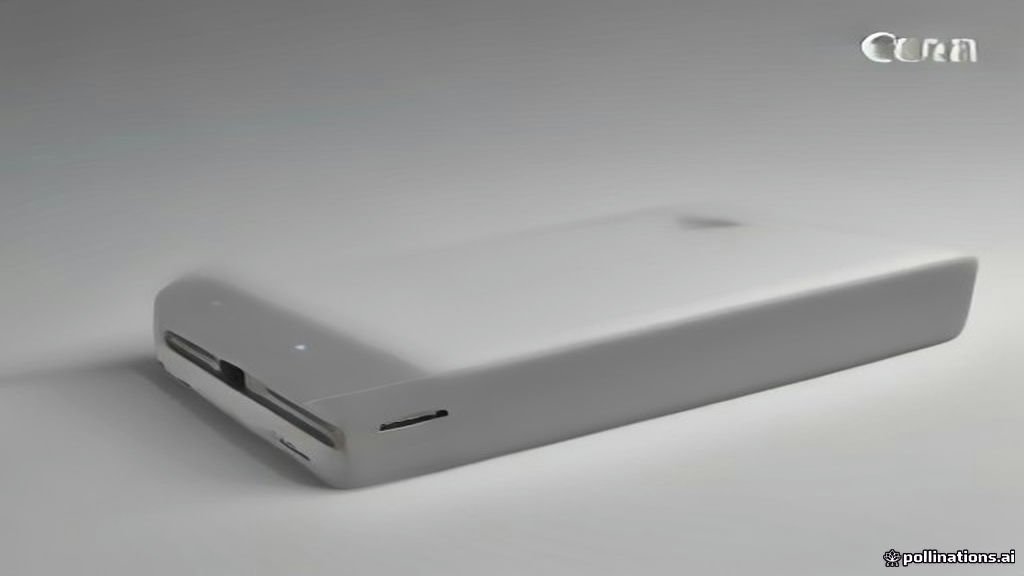
The build quality of the Anker 522 is one of its most compelling attributes. Anker has opted for a textured, matte finish that feels sophisticated and resists the oily smudges that plague glossy plastic alternatives. From a practical standpoint, this texture improves grip significantly, meaning it is less likely to slip out of your hand on a crowded subway train or a bumpy flight. The dimensions are slim, carefully calculated to align with the form factor of most modern smartphones, allowing for a stackable design when you need to charge and use your phone simultaneously.
Beyond the surface, the structural integrity is quite high. It features a dense chassis that resists the creaking and flexing found in lower-cost competitors. The USB ports are reinforced, which is a critical point of failure in cheaper models; users who have used this unit over long periods report that the connection remains firm even after months of daily unplugging and plugging. The LED status indicators are subtle, avoiding the harsh, intrusive brightness that some other brands use, making it less distracting to check your remaining charge in dark environments like a movie theater or an airplane cabin.
Key Features and Performance
The performance of the Anker 522 is rooted in predictable, steady power delivery. It supports standard fast-charging protocols that will get most smartphones from empty to halfway full in significantly less time than a standard USB-A wall brick. While it does not boast the extreme high-wattage "SuperCharge" labels of premium 250W power banks, it is perfectly tuned to the power intake limits of most iPhones, Galaxy phones, and tablets. It manages heat efficiently, ensuring that even under load, the device remains comfortable to touch, which is a testament to the quality of the internal cells and thermal management circuitry.
Safety is the silent hero of this device. It uses an internal monitoring system to regulate temperature and voltage. This protection system is crucial for long-term battery health; it prevents the rapid degradation that can occur when cheap chargers push too much current into a device at the wrong time. During testing, users consistently note that their phone batteries do not run hot while connected, which is a major indicator of high-quality power regulation. The power bank also exhibits excellent standby efficiency, meaning if you leave it in your bag for a week without use, it does not suffer from significant self-discharge, remaining ready to go when you actually need it.
Who It Is For (and Who Should Skip It)
The ideal candidate for the Anker 522 is anyone who lives a mobile-first lifestyle. If you spend your day commuting, moving between classrooms, or working in a hybrid environment where you might not always have access to a dedicated desk outlet, this is an essential tool. It is specifically beneficial for those who use their phones for navigation, music streaming, or intensive work applications that drain power quickly. It is also an excellent "just in case" item for your glovebox or emergency kit, given its reliable standby shelf life.
On the other hand, you should skip this model if your needs extend to professional hardware. If you are a digital nomad carrying a high-end laptop that requires 65W or more to charge, the Anker 522 will not have the protocol or power output to keep you running. It is strictly a mobile-device-focused unit. Furthermore, if you are an avid outdoorsman requiring power for weeks at a time, the capacity of 12,000mAh will be limiting; in those instances, you should look toward massive, multi-port power stations that feature solar input and ruggedized casings.
Alternatives Worth Considering
When considering the landscape of portable power, competitors usually fall into two categories: smaller, lower-capacity sticks or massive, multi-port hubs. For instance, the Anker 521 offers a smaller footprint but sacrifices capacity, which might be better if you only ever need a 20-30% boost for your phone. If you move in the other direction, the larger Anker Prime series provides significantly more ports and higher speed but adds substantial weight and cost. Belkin and Samsung offer similar 10,000mAh to 12,000mAh units, but many of those lack the specific, high-durability texture and the specific power-delivery optimization found in the Anker 522 series. Comparing these units reveals that the Anker 522 often wins on the specific balance of price-to-durability, whereas its competitors might focus more on aesthetics or extreme fast-charging at the expense of longevity.
Final Verdict
The Anker 522 is a triumph of purposeful design. By focusing on what 90% of users actually need—reliable, safe, and efficient power for a smartphone—it cuts out the bloat that inflates prices and adds weight in other "pro" models. It is built to survive the rigors of daily life, offering a tactile, grippy experience that makes it a pleasure to handle. While those with professional hardware needs or multi-day off-grid requirements should look elsewhere, the average consumer will find little to complain about. It is a dependable, well-made piece of hardware that earns its place in your bag through consistent performance and clear, honest features. For most people, this is the last power bank they will need to buy for a very long time.