Overview
In the modern kitchen, the morning coffee routine is often a race against the clock. For many, the choice between convenience and quality is a difficult trade-off, leading some to settle for mediocre pod-based coffee while others struggle with the steep learning curve of semi-automatic machines. The Philips 3300 espresso machine attempts to resolve this tension by offering a fully automatic solution that delivers genuine espresso-based beverages with the touch of a button. By automating the entire process—from grinding fresh beans to extracting the shot and frothing the milk—this machine is designed to bring a cafe experience into the home without requiring the user to act as a trained barista.
This machine serves a specific demographic: people who love the flavor of fresh espresso but lack the time or desire to master the complexities of tamping, pressure profiling, and steam wand technique. Throughout our research, we examined how the 3300 balances the need for consistent output with the practical realities of daily home usage. It is not designed to replace the high-end, manual equipment used by coffee aficionados, but rather to provide a reliable, high-performing alternative that fits seamlessly into a busy, modern lifestyle.
Design and Build
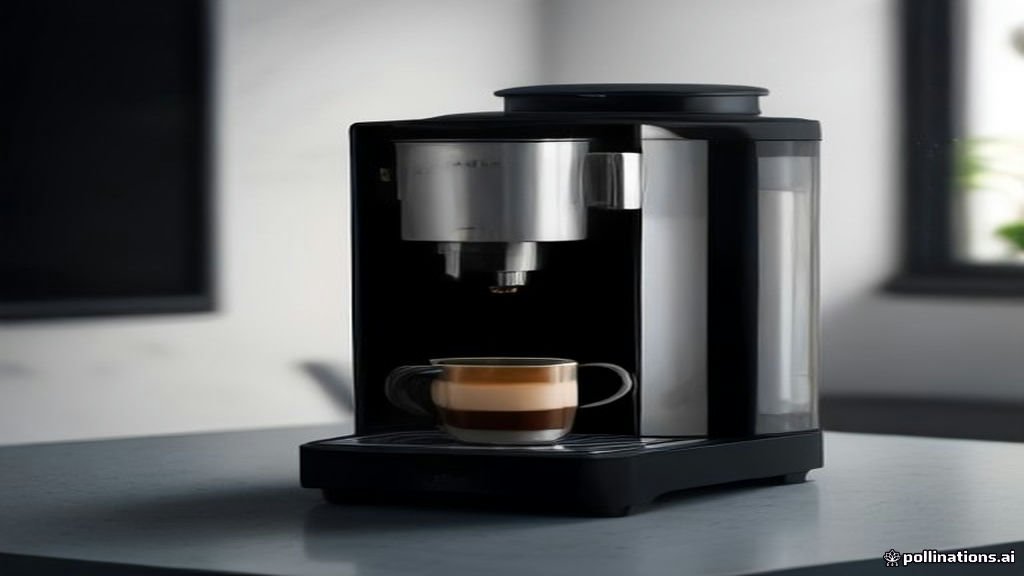
The Philips 3300 arrives with a footprint that is thoughtfully optimized for the standard kitchen. Unlike many "bean-to-cup" machines that can overwhelm a small kitchen island or counter, the 3300 maintains a relatively sleek profile. Its aesthetic is dominated by clean lines and a contemporary interface that avoids the cluttered look of older automatic models. The touch-sensitive control panel is bright and responsive, clearly delineating between various drink selections, which helps reduce errors early in the morning when you are at your least alert.
Regarding construction, the chassis utilizes high-density, durable plastics. While some enthusiasts may prefer the weight and feel of brushed stainless steel common in professional machinery, the choice of materials here serves a functional purpose. The reduced weight makes the machine easier to move for periodic deep cleaning or maintenance, and the plastic housing is surprisingly resistant to fingerprinting and coffee stains. The drip tray is well-engineered with a magnetic sensor to notify you when it is full, and the water reservoir is easy to slide out for refilling. The bean hopper is located at the top and features a seal designed to keep beans fresh for longer, addressing a common complaint regarding automatic machines that often leave beans exposed to air.
Key Features and Performance
The crown jewel of the Philips 3300 is the LatteGo milk system. This is a massive departure from traditional automatic frothing systems that rely on complex tubing and internal pumps that are notorious for trapping milk residue and growing bacteria. The LatteGo system is composed of just two parts that fit together without any hidden piping. In practice, this means that after making a cappuccino or latte, you can simply unclip the system and rinse it under running water in under 15 seconds. This feature significantly lowers the barrier to entry for cleaning, which is the number one reason users typically stop using their automatic machines.
Performance-wise, the 3300 is powered by 100% ceramic grinders. Ceramic is specifically chosen for this machine because it does not heat up during the grinding process, even when working through several consecutive drinks. This prevents the coffee beans from being scorched or having their essential oils damaged, ensuring a cleaner flavor profile. The machine allows for twelve different grind settings, enabling users to tweak the coffee according to the roast level—darker roasts usually benefit from a coarser grind, while lighter roasts may require a finer setting for optimal extraction. The extraction process is consistent, creating a reliable layer of crema, provided that the beans are fresh. The internal group head is also fully removable, which allows for thorough cleaning under the tap—a vital feature for preventing long-term flavor contamination.
Who It Is For (and Who Should Skip It)
This machine is perfectly suited for the busy household. It is an excellent upgrade for someone who has previously relied on pod machines but is looking for better flavor and a reduced environmental footprint. If you enjoy a variety of drinks—from a standard espresso shot to an Americano or a frothy cappuccino—you will appreciate how the machine manages the transition between these modes. Families with multiple coffee drinkers will also find the presets helpful, as everyone can get a consistent drink with just one press.
However, you should skip this machine if you are a hobbyist who views coffee making as a ritual of adjustment. If you enjoy the challenge of manual tamping, experimenting with different grind distributions, or creating intricate latte art, the 3300 will feel restrictive. Because the machine handles the pressure and extraction parameters automatically, you lose the ability to "dial in" your coffee in the same way you would with a semi-automatic machine. Additionally, if you exclusively drink large mugs of drip-style coffee, the espresso-based nature of this machine may not perfectly replicate the light-bodied taste of traditional drip coffee, even when using the Americano function.
Alternatives Worth Considering
In the landscape of automatic coffee makers, competitors like the De'Longhi Magnifica S remain strong because they have been a staple in the market for years. The Magnifica S is often more affordable but utilizes a manual steam wand, meaning you will have to learn how to froth milk yourself. For those who want more control over the coffee-making process, the Breville Barista Express remains the gold standard. It is a semi-automatic machine that requires you to grind into the portafilter and tamp yourself. While this is significantly more work than using the Philips 3300, it offers a level of drink quality that can eventually surpass the automatic machine if the user is willing to spend time learning the craft.
Final Verdict
The Philips 3300 espresso machine occupies a distinct niche by successfully balancing convenience with quality. It is designed for the person who wants a high-quality, cafe-style beverage every morning without the mess and hassle of manual brewing. By addressing the most significant pain points of previous automatic models—specifically the complexity of cleaning the milk system and the longevity of the grinder—Philips has created a machine that is likely to become a daily workhorse. While it lacks the manual depth that a professional barista would require, its consistency and ease of maintenance make it one of the most practical investments for the average coffee-loving home.